
By Adin Makonnen
Those Tricky Social Media “Terms of Service”
In this day and age, it’s easy to assume that what you post online belongs entirely to you. But the fact is, the Terms of Service you accepted when you signed up for the platform determine how they can use your work. A post might be yours, but that does not always give you the final say over how it is used.
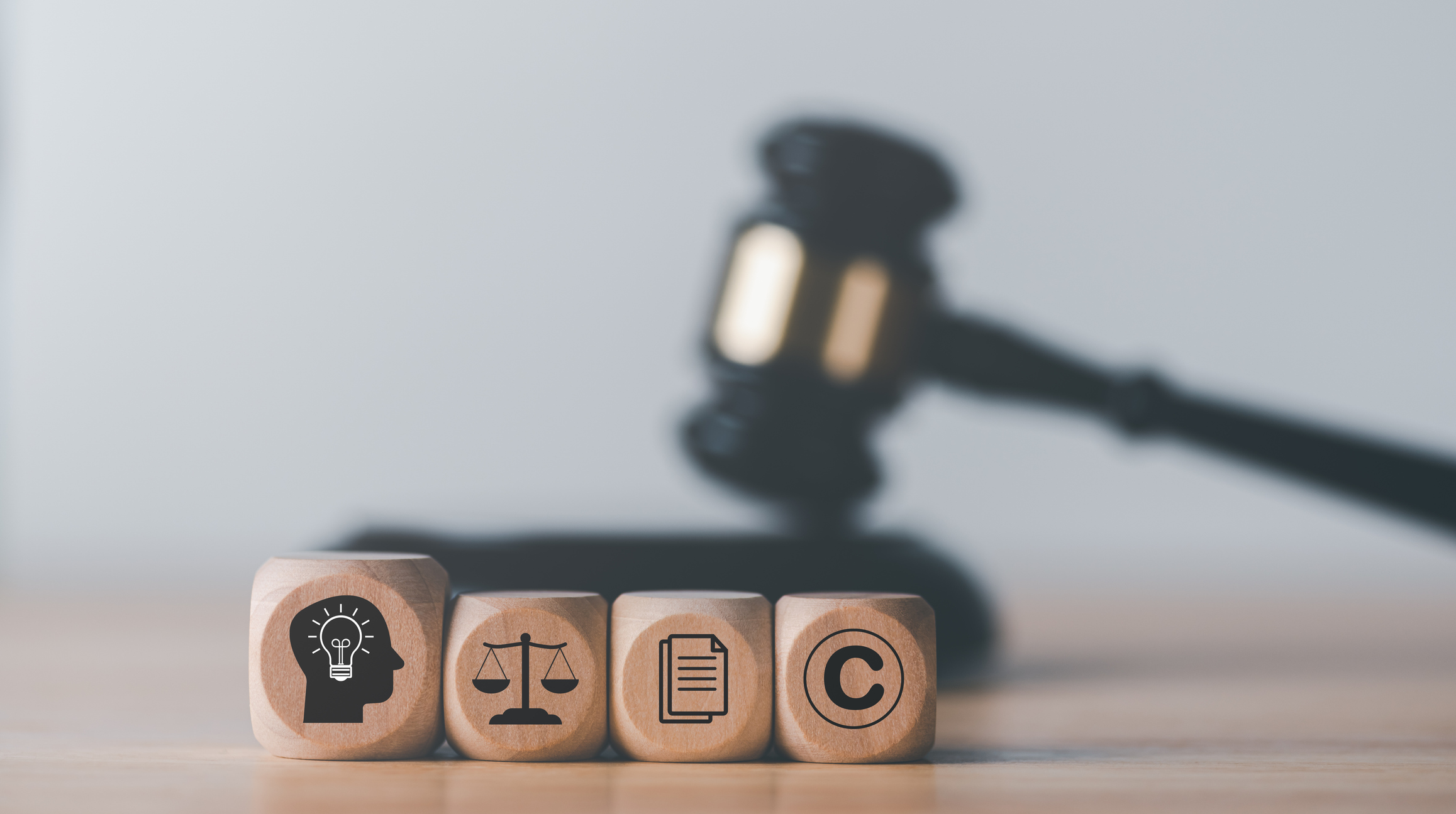
Copyright is a legal right, protected by law, which gives people the right to own and control their creative work. Things like photos, writings, videos, and music are automatically protected by copyright laws. This means nobody has the right to copy or upload your work without asking you for your permission. But when you post your work online, things are not so simple. Social media sites have their own rules that can change how copyright works. The second you post something, a site can often reuse it in ways you wouldn’t expect, and you might not even be aware that it’s happening.
When using social media platforms like Instagram, TikTok, Snapchat, or X (formerly Twitter), you must agree to their “Terms of Service.” Most people (myself included) click “Accept” without reading them. But the terms do have meaning and important details that affect your rights. Typically, when you post, you’re giving the site permission to use your content in any way they choose, including in ads. This means that while you still “own” your post, the app can do things like share it widely or allow other people to remix it.
Beware of Copying Images or Ideas
Then there is the flip side to copyright: your responsibilities when creating and sharing your content.
When you see an eye-catching photo, your first instinct might be to copy it to use in one of your posts. But if you use it without first seeking permission, once you hit the share button you are most likely violating the photographer’s copyright — and that can lead to serious issues. When someone creates an original photo, video, or design, it is automatically protected by copyright laws.
That means the creator owns the rights to it, and you need their sign-off to use it in any way. For example, fashion influencer Kylie Jenner is being sued for allegedly copying the design of an independent designer brand called “PluggedNYC.” The brand claimed that she purchased clothing items from them privately, and then, a few weeks later, released nearly identical items on her website, claiming the designs as her own.
Suppose another creator snags your intellectual property from the internet without your permission. In that case, you can likely contact them to request a licensing fee or use the platform’s reporting system to have the content taken down.
The Problem with “It’s Just a Picture”
Many people take images from Google and assume they’re free to use, but that mindset can get you into trouble fast. That is not how copyright works. Many people think, “No one will notice if I use this one picture.” But if you post it online, it can be found. Major brands like H&M and Forever 21 have faced major lawsuits. In one case, Forever 21 allegedly reposted a photo taken by photographer Vanessa Boy on their Instagram without giving credit, violating their copyright in the image. Meanwhile, H&M got into hot water for including graffiti artist Jason Williams’ work in an advertising campaign without first securing his permission.
Whether you’re a big brand, an independent content creator, or just posting for fun, copyright problems can find you. If you publish an image without the originator’s permission, you are violating copyright law. This can cost you money, time, and maybe even your reputation!
Originality is Your Safest Option
Originality is key when creating content. Your unique perspective is actually what makes your work stand out from others. You can post content however you like if you take your own photos and film your own videos. But if you decide to use someone else’s work, always give credit when it is due. This shows respect to the original creator of the photo. It is essential to understand the rules before using anything owned by another person online. Almost all platforms have copyright policies, and creators deserve protection for their own posts. If you’re looking for safe alternative websites, consider using royalty-free image sites like Unsplash, Pixabay, or Pexels. There, you can find high-quality free-to-use images to meet most of your needs. By respecting the usage rules, you avoid major issues like content takedowns, stiff fines, and even account bans.
Protect Your Reputation and Your Pocketbook: Play by the Copyright Rules
To reiterate, posting something on a social media platform does not mean you fully own it in the ways most of us understand, nor can you control what happens to it. The reality of social media is that they have Terms of Service and copyright rules that clearly state that your content can be used in ways you don’t realize (unless you take the time to read and understand those lengthy permissions you signed off on when you joined the platform). Awareness of these rules isn’t all about avoiding legal trouble; it is also about respecting the creativity of others and yourself.
Social media has become a massive platform used by millions of people worldwide. Being original and aware of how copyright works will help you stand out as a creator who respects both your work and the work of others. You’re not only protecting your own work, but you’re also respecting the rights of other hardworking creators so that creativity can flourish in a fair and respectful environment.