When the Inputs Matter: Copyright Risk Hidden in AI Training Data
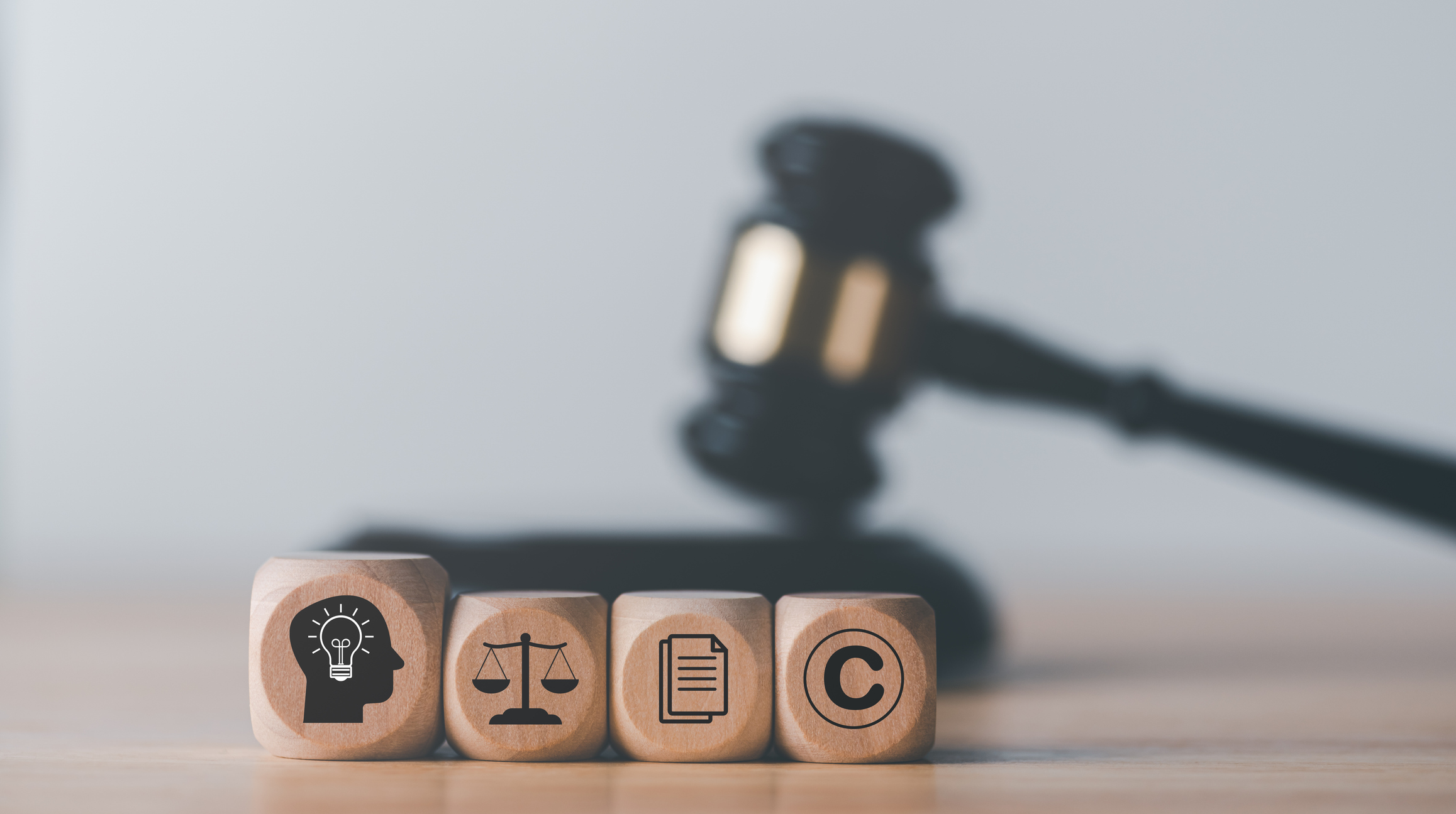
As businesses integrate generative artificial intelligence (AI) tools into everyday operations, much of the conversation has focused on what these tools can create — marketing copy, research summaries, coding shortcuts, and more. However, less visible is the copyright risk deeply embedded in the foundation of AI systems: the material on which they were trained.
For companies using AI to produce content, streamline workflows, or enhance services, the question isn’t just about the outputs. The issue in focus now is whether reliance on AI tools might expose businesses to copyright liability through training data they had no hand in selecting.
Training Data: The Unseen Layer of Copyright Exposure
Every generative AI system learns by ingesting vast amounts of material — from publicly available websites to copyrighted books, articles, photos, codebases, and more. This dataset forms the “knowledge” that AI draws upon to generate new outputs.
The challenge is that much of the material in training datasets was not initially created for public use without permission. Lawsuits filed by authors, artists, media companies, and coders allege that their copyrighted work was used to train AI models without consent or compensation. In some cases, lawsuits argue that outputs generated by AI tools constitute unauthorized derivative works.
Most businesses are not training their own AI models from scratch. They are using off-the-shelf tools built by third-party providers. This creates a degree of separation, but not necessarily insulation from legal risk. If a company uses AI-generated content in ways that later come under copyright scrutiny, it could become entangled in disputes that originate from training data decisions made far outside its operations.
Natasha Nazareth, a partner in the Maryland-based law firm Nazareth Bonifacino Law, advises business owners that “Your business could be at legal risk if you use AI-generated content that turns out to have been training on copyrighted material without permission. Courts are still working out the limits, but if the output closely mimics or reproduces a protected work, the AI user–not just the AI developer–could face claims of copyright infringement.”
Understanding what training data was used — and how it was obtained — is increasingly important for risk assessment. However, many AI providers disclose little to no information about the sources used to train their models, making it difficult for users to evaluate their exposure.
What due diligence steps can a business take when evaluating AI tools it plans to use internally or externally? “Before choosing an AI tool for your business, review the AI developer’s licensing terms and product documentation, and be sure to implement internal review procedures to vet AI-generated materials. Never use AI-generated content without human discernment,” said Nazareth.
Why It Matters to Businesses — Even Non-Media Ones
It is not just companies in publishing, marketing, or creative industries that need to worry about training data copyright issues. In reality, almost any organization that uses AI for internal documents, client communications, product development, or public-facing materials could be affected.
Imagine an architecture firm using AI to draft promotional brochures, an insurance company generating customer education materials, or a healthcare provider deploying AI to assist in writing patient outreach campaigns. If any portion of the content generated draws on protected material that has been improperly included in a training dataset, legal questions could arise regarding the ownership and originality of the outputs.
Nazareth warns that “Software and game developers, e-commerce and retail outlets, and any organization that publishes educational or training content all face heightened risk for infringement or misappropriation claims. Sometimes the risk is across industry lines, such as when a game features a character which appears to be drawn from a real-life movie actor. Other times, the connection is more direct, such as a retailer drawing language from copyrighted product catalogs or course materials pulling in academic sources without attribution.”
Additionally, businesses that create proprietary intellectual property, such as research, technical documentation, and product designs, should be mindful when using AI tools internally. If an AI tool trained on unauthorized materials inadvertently incorporates protected elements into new work, it could compromise the company’s claims to its own IP.
The lack of clear provenance information on AI outputs complicates IP management. Without knowing the lineage of an AI-generated document or design, companies could face challenges asserting ownership or defending against infringement claims. “Fair use could be a valid defense to a claim of infringement, but if the alleged infringer doesn’t know what the underlying source material was to begin with, fair use could be nearly impossible to prove,” said Nazareth.
Practical Considerations for Using AI Tools Safely
In the absence of clear regulatory standards — and amid rapidly evolving litigation — businesses can take several steps to reduce exposure to training data-related copyright risk.
First, companies can conduct due diligence when selecting AI tools. Asking vendors specific questions about the sourcing of training data, licensing practices, and indemnification policies can help organizations assess the level of risk they are assuming.
Nazareth and the other attorneys at Nazareth Bonifacino advise businesses to dig as deep as they can into how their AI vendors sourced or licensed their training data. “If a vendor can’t or won’t answer tough questions about its own training, licensing and documentation practices, including its own compliance with privacy and data secruty laws, you might want to keep shopping. Expect clear language that indicates the vendor indemnifies customers for IP infringment claims arising from the use of the AI tool, and steer clear of tools that have been subject to litigation, takedown requests or regulatory action. On the flip side, ask questions to understand how your inputs will be used to train the model, stored and/or retained so that your own information doesn’t become someone else’s windfall.”
Second, businesses may want to consider limiting how they use AI outputs. Using AI for idea generation, drafting, or internal brainstorming, followed by human review and rewriting, offers a safer approach than publishing AI content verbatim without modification. Some organizations are developing internal guidelines that prohibit high-risk uses without human oversight; for example, deploying AI-generated marketing copy or customer-facing statements.
Third, organizations that produce original content or IP may choose to retain human authorship and documentation procedures, so that that critical outputs can be traced back to human contributors. This is especially important in industries where originality, authorship, and IP protection are tightly regulated or monetized.
Fourth, if you’re moving quickly to embed AI in your operations, you – or your legal counsel – should monitor evolving legal standards and court decisions that may define how copyright law applies to AI-generated content and use of training data. A growing list of cases is being litigated in federal courts today, involving high-profile plaintiffs and AI companies.
Finally, businesses should review contracts, employee policies, and vendor agreements to clarify responsibility for AI-generated content and potential infringement claims. Make sure your teams are aware of the company’s policies on the use of AI. Review and update terms of service, liability waivers, or IP ownership clauses to reflect new copyright risks posed by AI integration. “In this day and age, it is unrealistic to prohibit employees and contractors from using commonplace AI tools that are ubiquitous in desktop and web-based software,” Nazareth admits. “Clarify when and how to use such tools ethically and responsibly.”
“We are starting to see that transformative use of copyrighted material may be viewed more favorably than output that appears to replicate or mimic the source or that can be shown to harm the copyright holder’s economic market. Still, we are seeing global signs that transparency of sources, consumer decption and market fairness are all values that will be examined in both the inputs and outputs of AI tools.”
While we all are enjoying discovering the new possibilities for productivity that AI tools make available, this is a time to proceed with eyes wide open to the legal front so we do not become unwitting victims in a copyright battle.
~~~
At The Allyson Group, we work with brands that want to stay ahead of the curve—not just in what they create, but in how they think. From developing content strategies that account for emerging technologies to building brand systems rooted in clarity and compliance, we help teams operate with confidence in a changing digital environment.
Contact us to explore how we can support your content planning and brand development goals.